- Flat feet do not always cause pain or need treatment.
- Excessive inward rolling of the feet can change the alignment of the ankles, knees, hips and spine.
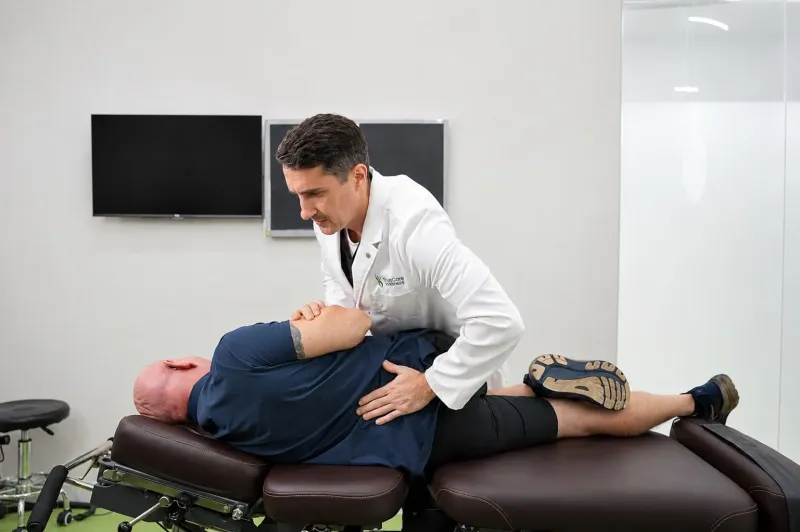
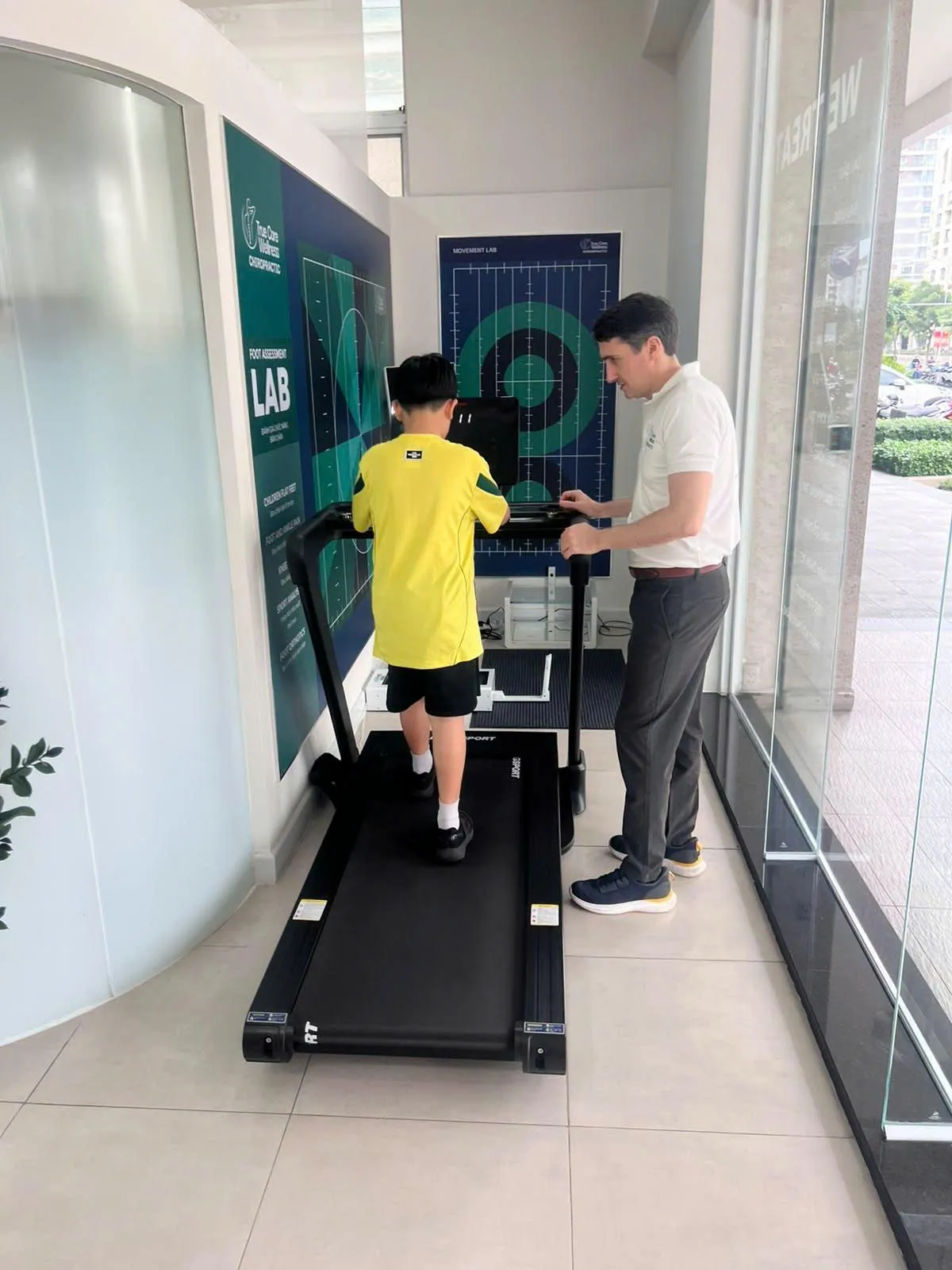
- The assessment combines a clinical exam, AI-assisted posture and gait analysis and 3D foot scanning.
- Not every child with flat feet needs orthotics; the doctor decides after the examination.
What are flat feet?
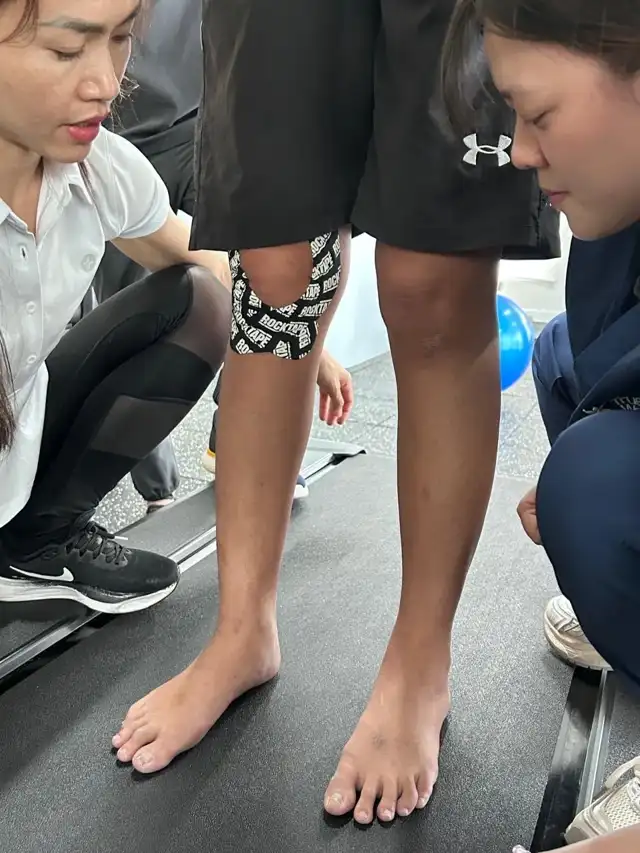
Flat feet (bàn chân bẹt) occur when the natural arch on the inside of the foot is low or collapses when standing or walking.
Some people have flat feet from childhood, while others develop them later in life. Flat feet do not always cause pain or require treatment. However, when they affect the way a person stands, walks or distributes their body weight, they can contribute to problems in other areas of the body.
What is overpronation?
Pronation is the natural inward rolling movement of the foot when it touches the ground. It helps the body absorb impact and distribute weight during walking and running.
Overpronation (bàn chân đổ vào trong) occurs when the foot rolls inward excessively. When this happens:
- The arch of the foot may collapse.
- The ankle may lean inward.
- The lower leg may rotate inward.
- The knee may move inward.
- The hips and pelvis may compensate for changes in alignment.
Over time, these movement patterns may place additional stress on the muscles and joints of the lower body and spine. Because we take thousands of steps every day, even small differences in how we walk can become important over time.
Flat feet and posture in children
As children grow, their feet, muscles, joints and movement patterns are developing together.
Flat feet are common in young children, and the arches often develop naturally as they grow. However, persistent excessive pronation or abnormal walking patterns may influence how a child stands, walks, runs and maintains balance.
Parents may notice:
- Ankles that lean inward when standing.
- Feet that turn inward or outward when walking.
- Knees that move inward when standing or squatting.
- Uneven standing posture.
- Difficulty with balance or coordination.
- Frequent tripping or falling.
- Uneven wear on shoes.
- Tired or painful feet after walking or playing.
When the feet roll inward excessively, the knees and hips may also change position. The pelvis and upper body may then compensate to maintain balance, influencing the child’s overall posture.
An early assessment helps determine whether these patterns are a normal part of development or whether additional support, exercises or custom orthotics may be appropriate.
Not every child with flat feet needs orthotics. The decision is based on the child’s age, symptoms, foot function and overall movement.
Flat feet and pain in adults
Many adults come to our clinic with pain in their knees, hips or lower back without realising that the way they walk may be contributing to their symptoms.
An abnormal walking pattern or excessive pronation may contribute to:
- Foot and arch pain.
- Heel pain and plantar fasciitis (viêm cân gan chân).
- Ankle pain and instability.
- Achilles tendon pain.
- Knee pain.
- Hip pain.
- Lower back pain.
- Foot and leg fatigue after prolonged standing or walking.
This is why we often assess the feet and walking patterns of patients with knee, hip and back pain, rather than examining only the painful area.
Our comprehensive foot and gait assessment
At True Core Wellness Chiropractic, we combine a hands-on clinical examination with modern technology to understand how your feet and body work together.
1. Clinical foot assessment
The doctor examines the arches, foot and ankle alignment, joint mobility and muscle function. We assess how the feet change when standing and bearing weight.
2. AI-assisted posture analysis
Our digital posture analysis helps us assess the alignment of the ankles, knees, hips, pelvis and spine while standing. This allows us to identify possible compensations throughout the body and understand how foot alignment may relate to overall posture.
3. AI-assisted gait analysis
Gait analysis (phân tích dáng đi) is an assessment of how you walk or run. Using AI-assisted movement analysis, we examine your walking pattern, including:
- How your feet contact the ground.
- How much your feet roll inward.
- Ankle and knee movement.
- Hip and pelvic movement.
- Differences between the left and right sides.
- Overall walking alignment and movement patterns.
For runners and athletes, we can also assess running patterns and evaluate whether their footwear is appropriate.
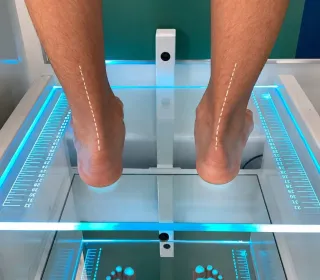
4. 3D foot scanning
Our 3D foot scanner captures the unique shape, contours and dimensions of each foot. When custom orthotics are recommended, these digital measurements are used to help create orthotics specifically designed for your feet and individual needs.
What are custom foot orthotics?
Custom foot orthotics (đế chỉnh hình bàn chân theo yêu cầu) are specially designed inserts worn inside your shoes to support your feet and improve how they function during standing, walking and running.
Unlike standard shoe insoles, custom orthotics are designed around your individual foot shape, walking pattern and clinical assessment. Depending on your needs, custom orthotics may help:
- Support the natural arches of the feet.
- Control excessive inward rolling of the feet.
- Improve foot and ankle stability.
- Distribute pressure more evenly across the feet.
- Provide cushioning and improve comfort.
- Reduce unnecessary stress on the ankles, knees and hips.
- Support more comfortable walking and running.
Custom orthotics can be designed for children, adults, older adults and athletes.
Fitting and follow-up
When your custom orthotics arrive, we assess their fit, comfort and effect on your foot alignment.
We repeat the walking assessment with the orthotics inside your shoes to evaluate changes in your gait. For runners, we may also repeat the running assessment.
We recommend gradually increasing the amount of time you wear your orthotics, allowing your body to adapt to the new support.
Follow-up assessments help us monitor comfort, symptoms and walking patterns, particularly in growing children whose feet continue to change.
 Related servicePosture, flat feet & scoliosis in childrenEarly detection and follow-up through every stage of growth.
Book a flat foot and gait assessment in District 7
Whether you are concerned about your child’s posture and walking development, experiencing foot, knee or back pain, or looking to improve comfort during walking and running, our comprehensive assessment can help you better understand how your feet function. Book a consultation and assessment at True Core Wellness Chiropractic.

Medical Director of True Core Wellness Chiropractic Clinic. Updated 11/2026. View profile
This page is for general information and does not replace an individual medical examination.
Treatments and settings are prescribed by a doctor after an examination, and results differ from person to person. This page is for general information.