
Passive physiotherapy
Passive physiotherapy covers treatments where the patient does not actively move: a device or therapy medium produces the treatment effect. These modalities are usually combined to support the treatment.
At True Core Wellness, they include:
- Therapeutic ultrasound.
- Electrical stimulation.
- Heat and cold therapy.
- Spinal decompression.
- Laser therapy.
- Shockwave therapy.
- Red Light Pad.
- Rebuilder.
Therapeutic ultrasound
Equipment: Chattanooga Intellect Mobile 2.
Therapeutic ultrasound sends sound waves into the body’s tissues to produce deep heating. The ultrasound head contains crystals that vibrate and produce sound waves when an electric current passes through them. It is different from diagnostic ultrasound, which is used for imaging.
The sound waves warm the tissue and increase circulation, which helps ease pain, inflammation and swelling. It may feel like a light massage or a very gentle vibration.
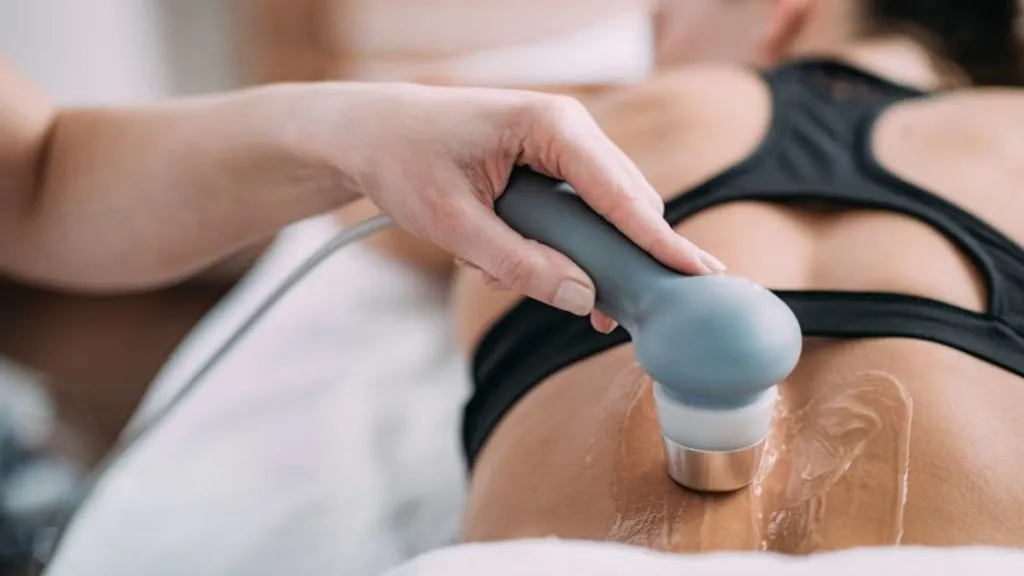
Benefits: deep heating of soft tissue, better circulation, pain relief, muscle relaxation, less swelling and inflammation.
May be used for: soft-tissue injuries (sprains, strains, bruises…), osteoarthritis, bursitis, tendinitis, capsulitis, nerve compression, muscle spasm, inflammation, swelling and oedema.
Electrical stimulation
Equipment: Chattanooga Intellect Mobile 2.
Electrical stimulation uses electrical pulses to stimulate muscles and nerves. The pulses can mimic the body’s nerve signals to produce a response in muscles and nerves, helping muscles relax and easing pain. You may feel a slight pulling or tingling, or some muscle contractions.
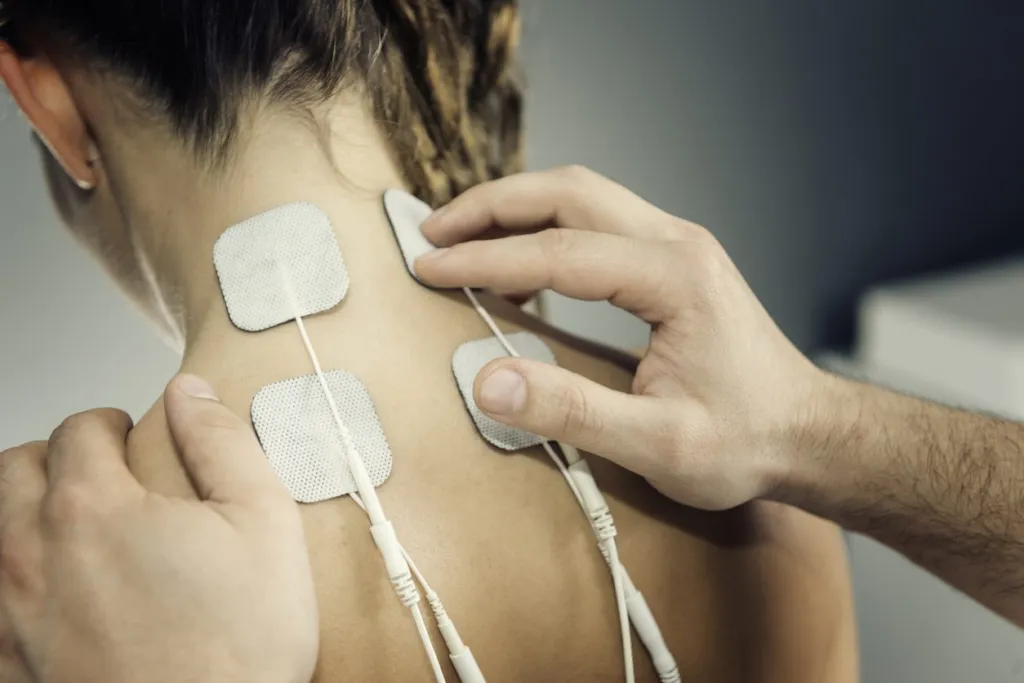
Benefits: pain modulation and less pain, muscle relaxation, less muscle spasm, targeted muscle fatigue, stronger muscles, better circulation.
May be used for: soft-tissue injuries, musculoskeletal pain, muscle spasm, increased muscle tone, muscle wasting, inflammation.
Combination therapy
Electrical stimulation and ultrasound can be applied at the same time, usually when pain is severe.
Heat and cold therapy
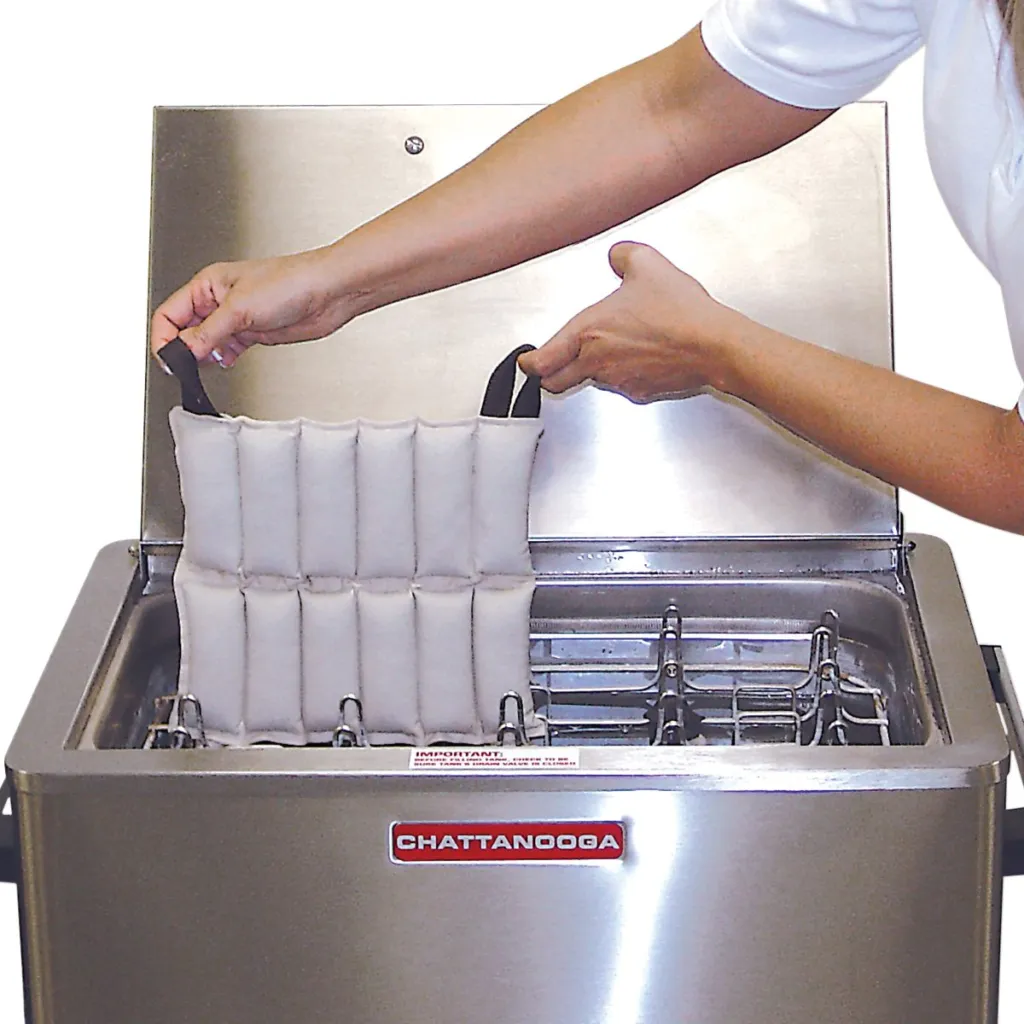
Heat therapy uses a source of heat such as a hot pack; cold therapy uses something cold such as an ice pack. Both aim to ease pain, act on inflammation and change circulation.
| Heat therapy | Cold therapy |
|---|---|
| Chronic pain | Acute pain |
| Muscle tension | Swelling |
| Stiff muscles and joints | Inflammation |
Heat therapy: eases pain and muscle tension, increases circulation, helps you relax.
Cold therapy: eases pain, reduces inflammation, acts on blood circulation.
Rehabilitation
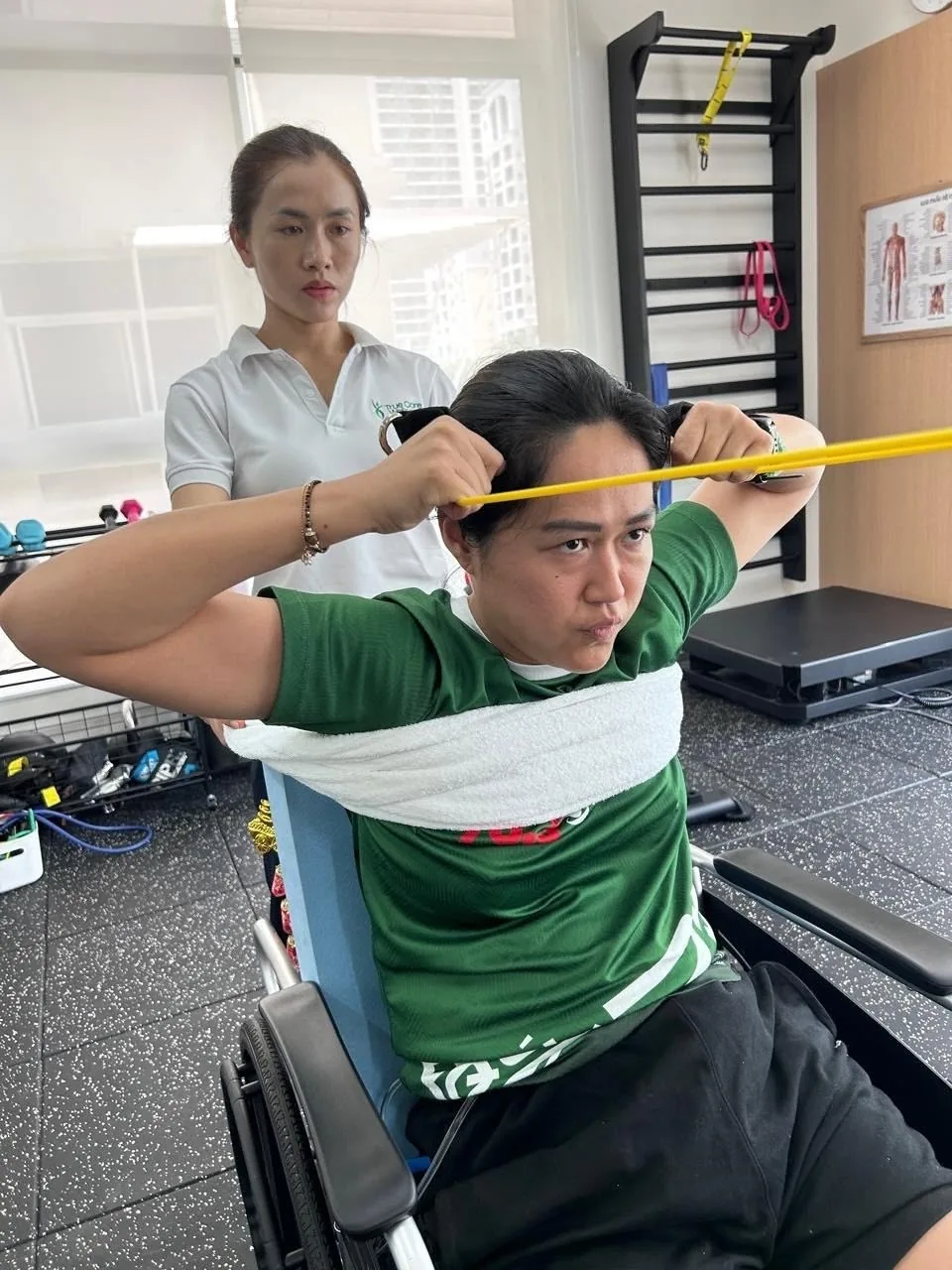
Rehabilitation is activities or exercises designed to improve strength, mobility, balance and coordination. Exercises use specific movements, weights, resistance bands or machines to reach the recovery goals.
Rehabilitation is the focus of recovery at True Core Wellness. The goal is to get patients out of pain and into a rehabilitation programme for long-term results. The programme is designed to strengthen tissues, improve joint function and lower the risk of re-injury.
For special cases such as severe disc herniation, older adults or neurological conditions, the clinic has the True Core Rehab system.
How it works
Rehabilitation uses specialised equipment or weights to apply load or mechanical stimulation to joints and tissues. The right load improves range of motion, strength, balance and coordination. Goals change with each patient and condition.
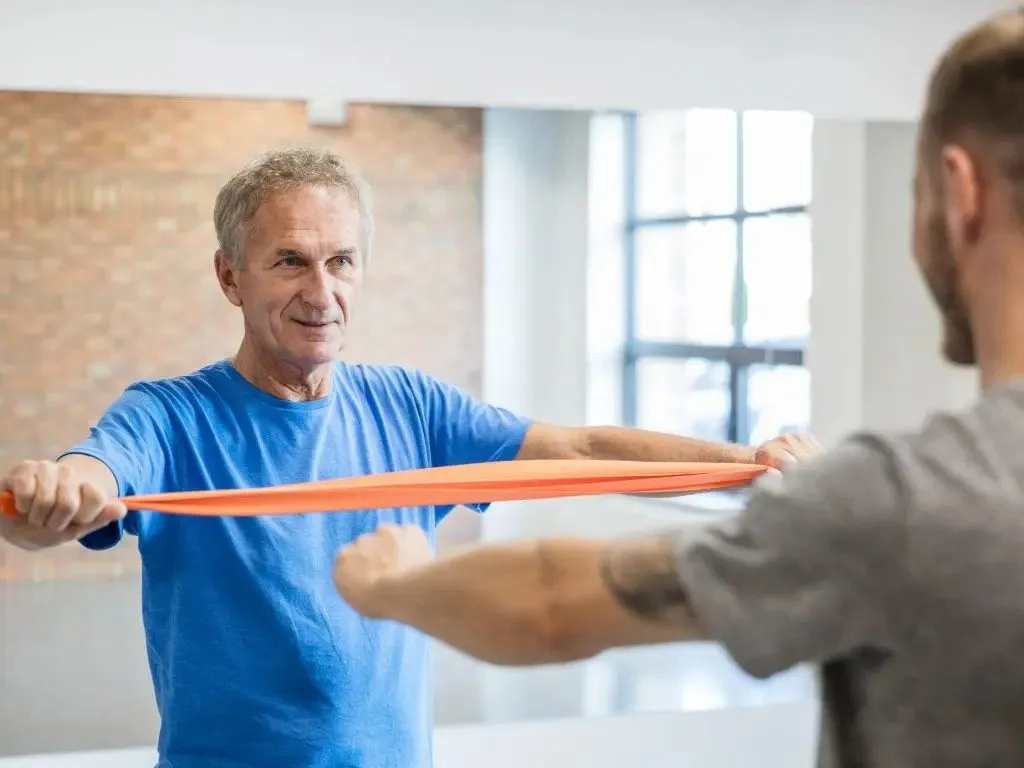
May be used for: musculoskeletal injuries, pain, before and after surgery, movement disorders, neurological conditions or injuries, scoliosis.
Expected outcomes: better strength, mobility, balance and coordination; lower risk of re-injury; better quality of life and independence.
Phases of rehabilitation
The phases do not match a fixed set of exercises, and a patient can work in more than one phase at a time.
- Mobility and stability. Aim: full, appropriate and stable range of motion.
- Open-chain strengthening. Aim: safely restore basic strength.
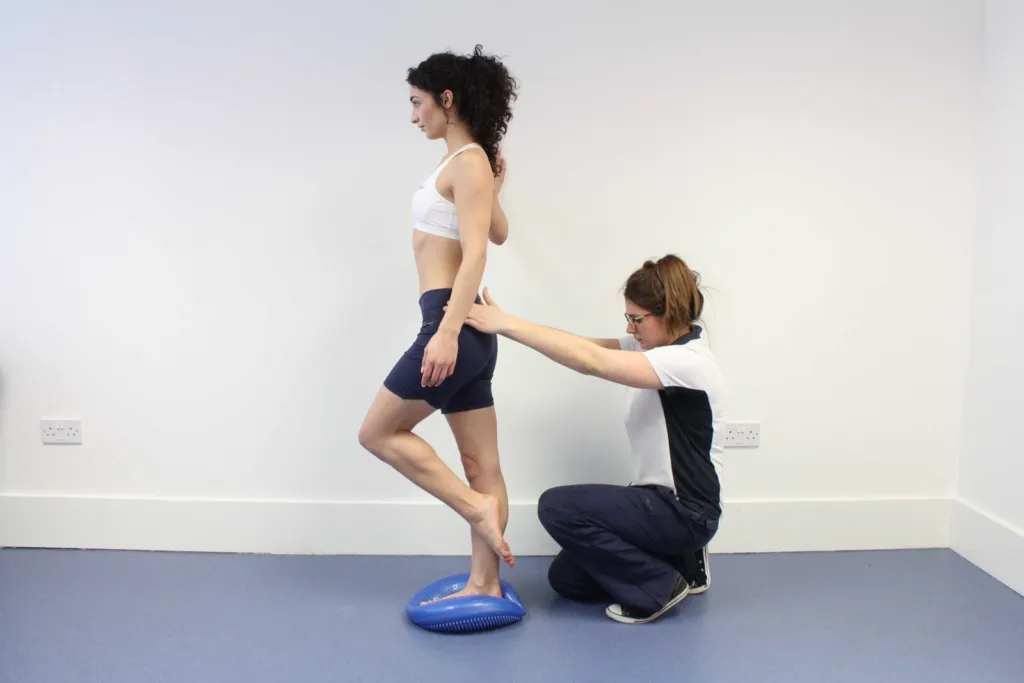
- Balance and proprioception. Aim: better balance and sense of the body’s position and movement. Can be used at any suitable point in the programme.
- Closed-chain strengthening. Aim: better overall strength, possibly beyond the starting level. The hands or feet are on a stable surface, such as feet on the floor or hands on a wall, and exercises use many muscles and joints at once.
- Dynamic movements. Aim: better balance, coordination and overall movement patterns, moving through the full range of motion with suitable speed and power.