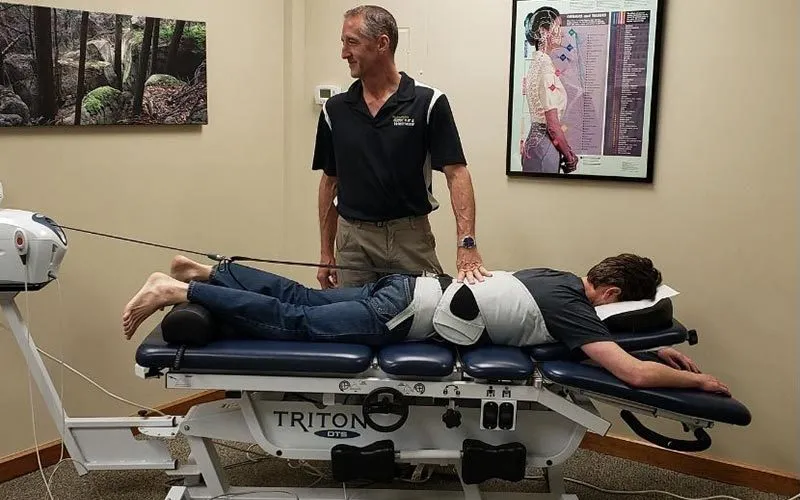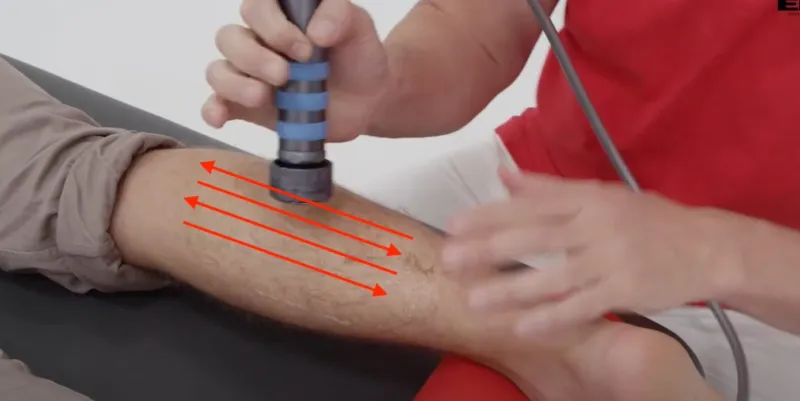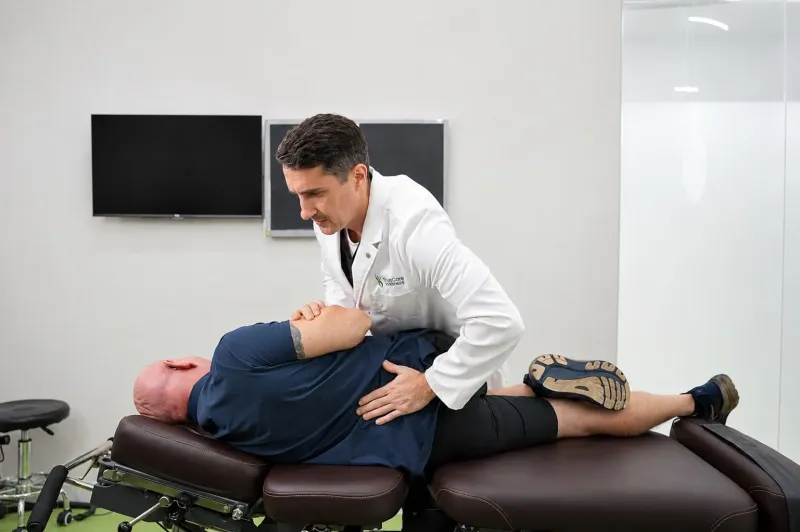
- Chiropractic is a healthcare profession for the spine, joints, muscles and nervous system.
- In the United States, becoming a chiropractor takes 8 years of university study, national boards and a licence.
- A short certificate course is not the same as a Doctor of Chiropractic (DC) degree.
- At True Core Wellness, every new patient has a full examination before treatment.
What is chiropractic?
Chiropractic is a healthcare profession focused on the diagnosis, treatment and prevention of problems of the spine, joints, muscles and nervous system. It began in the United States in 1895 and is now practised in many countries around the world.
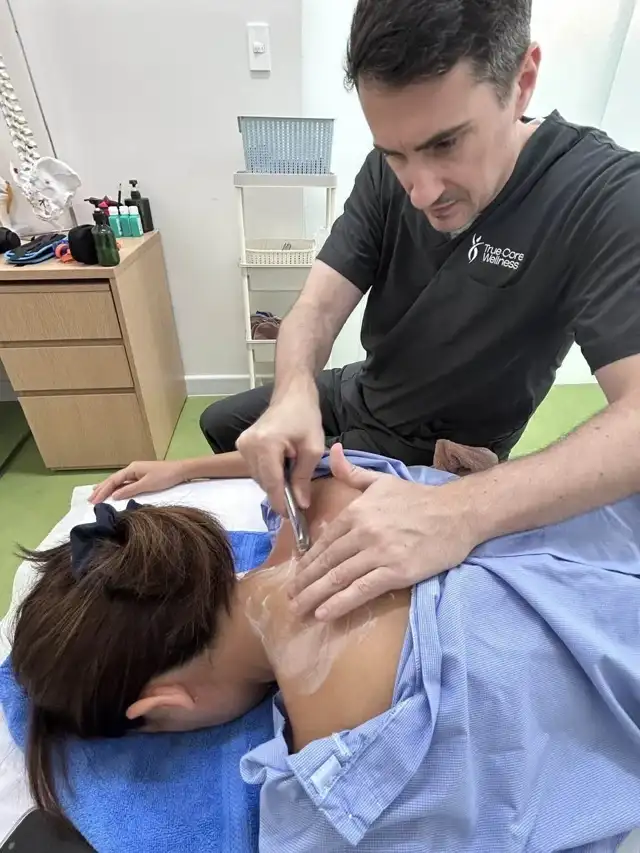
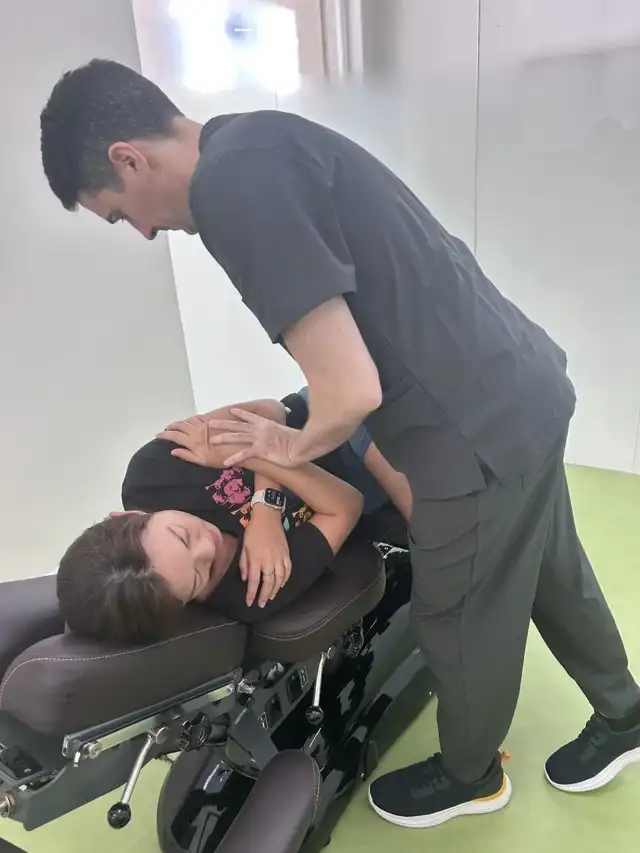
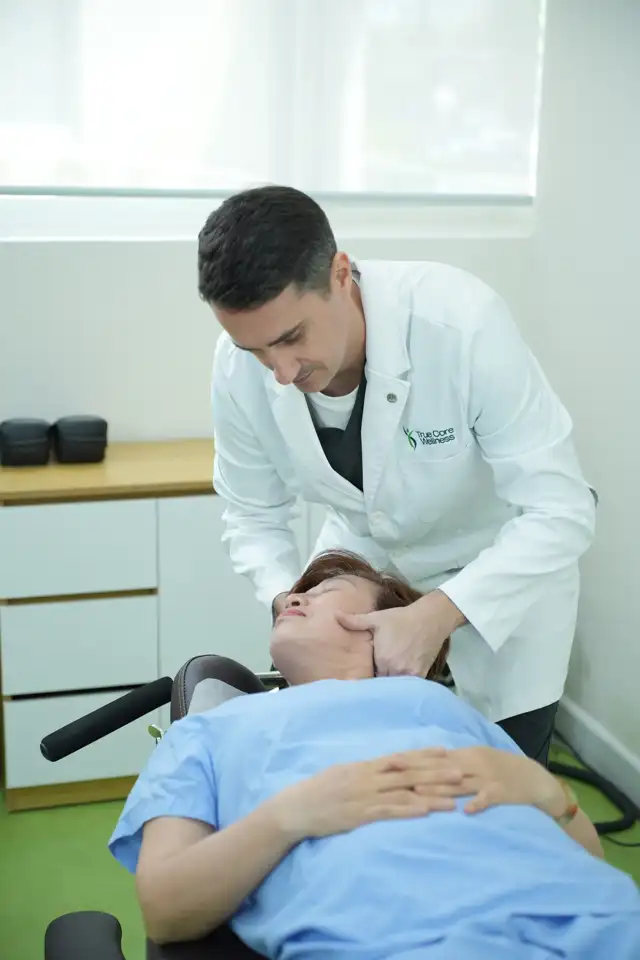
Chiropractors are best known for spinal adjustments, which are precise, hands-on or instrument-assisted movements that aim to improve how stiff joints move. A qualified chiropractor does much more than adjust, however. Care typically includes:
- A thorough history and physical, orthopedic and neurological examination.
- Deciding whether chiropractic care is appropriate, or whether you need a referral or imaging.
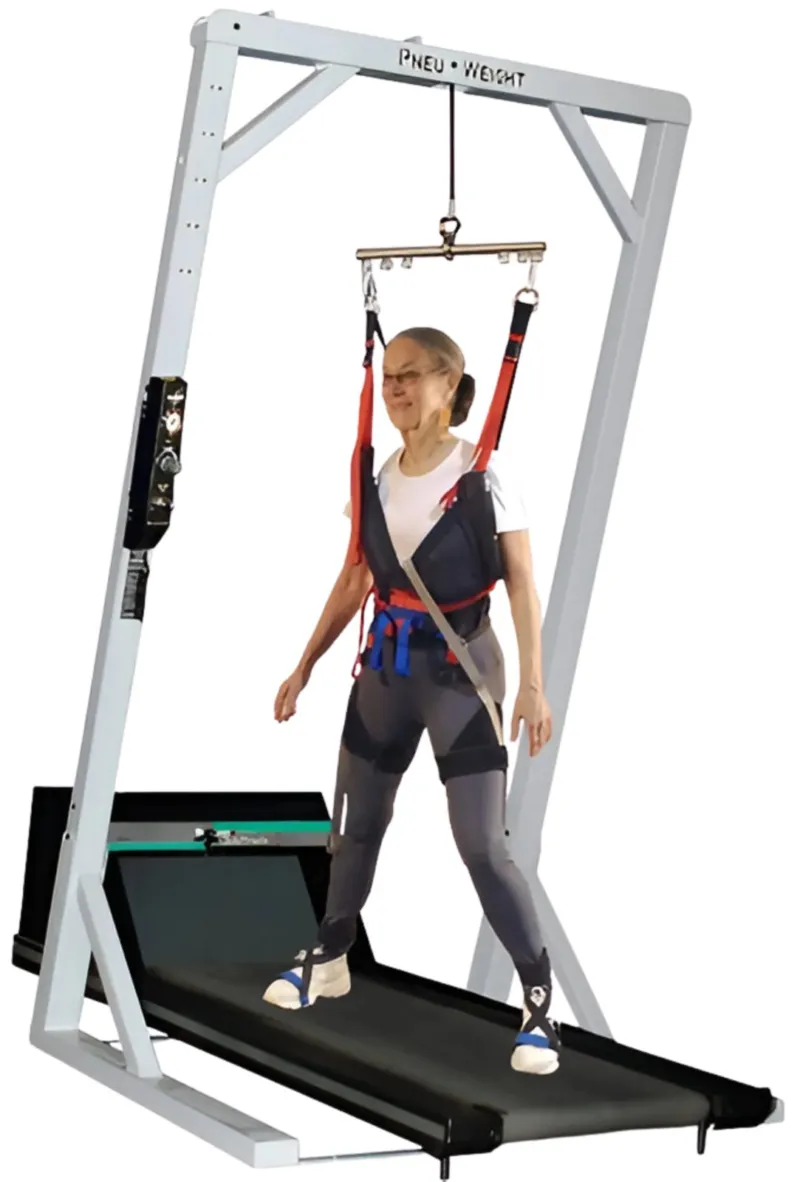
- Treatment that may combine adjustments, soft tissue work, physiotherapy and rehabilitation exercises.
- Advice on posture, ergonomics, exercise and daily habits.
Chiropractors commonly help people with back pain, neck pain, headaches, sciatica, sports injuries and joint problems.
What it takes to become a Doctor of Chiropractic
In countries where chiropractic is a regulated profession, such as the United States and Canada, becoming a chiropractor is a long, university-level path. In the United States, for example, it takes 8 years of university study in total:
- A bachelor’s degree first: a four-year university degree, including science courses such as anatomy, physiology, chemistry, biology and physics, is completed before entering chiropractic school.
- A four-year Doctor of Chiropractic (DC) program: full-time study at an accredited chiropractic college, with a minimum of about 4,200 hours of classroom and clinical training, including at least 1,000 hours of supervised clinical practice with real patients.
- National board examinations: a series of written and practical exams covering basic sciences, clinical sciences and patient care.
- A government license to practise, renewed with ongoing continuing education.
A word of caution: short certificate courses
In Vietnam, many people now offer "chiropractic" after completing a short course, sometimes only a few days or weeks long, that ends with a certificate. A certificate course is not the same as a Doctor of Chiropractic degree. It cannot provide the years of training in diagnosis, anatomy, neurology and supervised clinical practice that the profession requires.
This matters for your safety. A qualified chiropractor is trained to recognise when a problem should not be treated with an adjustment, such as a fracture, an artery problem in the neck, an infection or a tumour, and to refer you for the right care. Without that training, serious conditions can be missed, and a forceful adjustment in the wrong situation can cause harm.
How to check your chiropractor’s qualifications
Before you start care, it is reasonable to ask:
- Do you hold a Doctor of Chiropractic (DC) degree? From which university, and is that program accredited?
- Where are you licensed to practise? A qualified chiropractor will usually be, or have been, licensed in a country that regulates chiropractic.
- Will you examine me before treating me? A full history and examination should always come before any adjustment.
- Will you refer me if needed? A qualified practitioner knows the limits of chiropractic care and works with other doctors.
A professional practitioner will be happy to answer these questions.
 Related serviceChiropractic careJoint adjustments that ease nerve pressure and restore range of motion.
Chiropractic at True Core Wellness
Chiropractic care at our clinic in District 7 is led by Dr. Jesse Politowski, who earned his Doctor of Chiropractic degree from Logan University in the United States. He also holds a Master of Science in Sports Science and Rehabilitation and is a Certified Chiropractic Sports Physician (CCSP).
Dr. Politowski has practised since 2013 and has been licensed in the United States, Oman, Dubai and Vietnam. He has served as team doctor for college athletics programs and taught for three years at Logan University as an instructor and faculty clinician.
Every new patient begins with a consultation and a full examination. Where chiropractic care is appropriate, it is combined with physiotherapy and rehabilitation to address both pain and the movement problems behind it. Where it is not appropriate, we refer you to the right specialist.
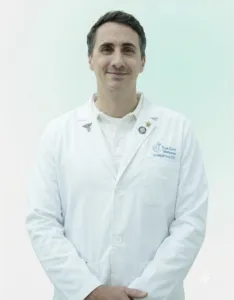
Medical Director of True Core Wellness Chiropractic Clinic. Updated 11/2026. View profile
This page is for general information and does not replace an individual medical examination.
Treatments and settings are prescribed by a doctor after an examination, and results differ from person to person. This page is for general information.