Stop playing and seek emergency care straight away if you have:
- Chest pain, unusual shortness of breath, dizziness or fainting during or after play
- A suspected broken bone, especially a wrist injury after falling on an outstretched hand
- A knee that locks, gives way, or swells quickly after a twist
- Inability to bear weight on the injured leg
Who We See With Pickleball Injuries
Most of our pickleball patients are men and women aged 30 to 50 who play at a beginner or intermediate level. Many are new to racquet sports, or are returning to exercise after years away, and have increased their playing time quickly. Care is led by Dr. Jesse Politowski, a Certified Chiropractic Sports Physician (CCSP) with experience caring for college athletes.
Why Pickleball Injuries Happen
Pickleball looks gentle, but it involves quick stops and starts, sudden side-to-side movement, lunging for low balls and repeated overhead shots. Common contributors include:
- Playing long sessions or several days in a row before the body is conditioned
- Skipping a warm-up, especially early in the morning or after work
- Shoes that do not support lateral movement
- Weakness in the hips, legs and core that support quick changes of direction
Injuries are rising worldwide as the sport grows. A 10-year study of US emergency department visits found that pickleball injuries increased by 88% after 2020, with sprains and fractures, often from falls, among the most common.
Common Pickleball Injuries We Treat
Ankle injuries. Ankle sprains (bong gân cổ chân) happen when the foot rolls during a quick sideways step or a landing. Calf strains and Achilles irritation are also common after sudden pushes off the back foot.
Knee injuries. Twisting while the foot is planted can strain knee ligaments or irritate the meniscus (rách sụn chêm). Repeated lunging and squatting can also flare up existing knee pain.
Shoulder injuries. Overhead smashes and serves can irritate the rotator cuff and the tendons at the front of the shoulder (đau vai).
Low back pain. Bending to reach low balls, rotating through shots and long sessions on hard courts can strain the muscles and joints of the low back.
If you have a heart condition, high blood pressure or other health concerns, check with your doctor before increasing how hard or how often you play. At your first visit with us, we also review your general health so we can give advice that fits you.
Your First Visit: Consultation and Examination
Your first visit starts with a one-to-one consultation. The doctor listens first, then asks how the injury happened, how often and how long you play, and what you want to get back to. We also review your general health, including your heart and blood pressure history.
Next is a thorough examination that includes:
- Orthopedic testing to identify the injured structure and how severe it is
- Movement screens and strength checks, comparing the injured side with the healthy side
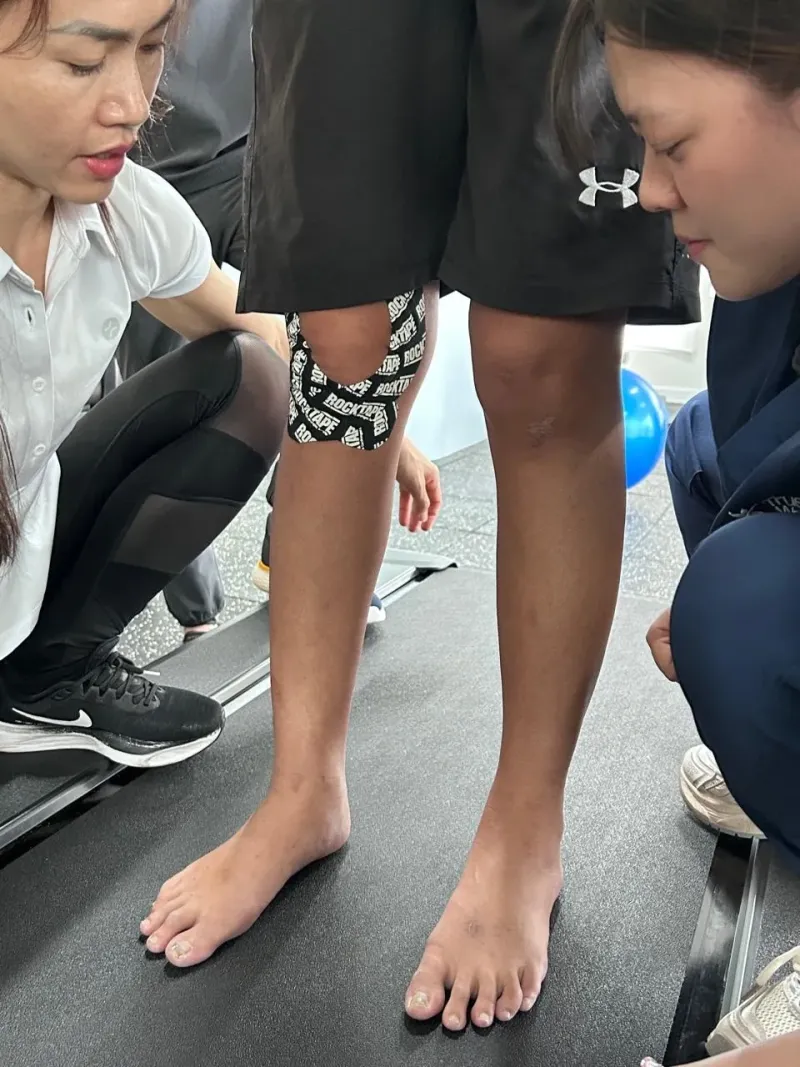
- AI-assisted gait analysis and a flat foot check for ankle and knee injuries
Depending on the findings, treatment may begin on the same day.
Do I Need an X-Ray or MRI?
If you already have an X-ray or MRI, please bring it. If not, please do not book a scan on your own first. Without an examination it is easy to image the wrong area or choose the wrong test. When imaging is needed, the doctor will refer you.
Treatment for Pickleball Injuries at True Core Wellness
Treatment combines several approaches, chosen for your injury:
- Chiropractic care (nắn chỉnh) to restore movement in stiff joints
- Soft tissue therapy to ease tight and overworked muscles
- Physiotherapy (vật lý trị liệu), including laser therapy and shockwave therapy, used to help calm pain and support tissue recovery
- Sports taping to support the injured area as you return to play
Rehab With Your Game in Mind
As pain settles, rehab exercises rebuild strength, balance and control, with a focus on the movements pickleball demands: lateral steps, lunges, quick stops and overhead reaching. During this stage, the doctor can also give specific advice about your play, such as footwork and movement habits that may have contributed to the injury.
When Can I Return to the Court?
We clear you to return when your condition has improved and you pass functional screening tests for strength, balance and movement quality. Most players start back with shorter, lighter sessions and build up from there.
What Does a Typical Care Plan Look Like?
A typical plan is 3 to 4 visits per week for 12 visits, followed by a reassessment. More severe injuries may need a longer plan.
When We Refer You to a Specialist
If progress is limited after several visits, or the examination or imaging shows a severe injury, we refer you for further assessment, injections such as PRP, or a surgical consultation within our network of trusted hospitals.
 Related serviceSports injury rehabFrom running and pickleball to Hyrox: recover and return to play safely.
How to Reduce Your Risk of Pickleball Injury
- Warm up before you play (khởi động) with light movement, lunges and side steps
- Stretch after you play while your muscles are still warm
- Stay hydrated, especially in Ho Chi Minh City's heat and humidity
- Allow proper recovery between sessions instead of playing hard every day
- Wear court shoes that support side-to-side movement, rather than running shoes
- Strengthen the right muscles, especially the hips, legs, core and shoulders

Medical Director of True Core Wellness Chiropractic Clinic. Updated 10/2026. View profile
This page is for general information and does not replace an individual medical examination.